Oxford Cryosystems has been included in the 2026 edition of The Fusion Cluster Directory, joining more than 150 organisations helping to develop the technologies, expertise and supply chains needed to bring commercial fusion energy closer to reality. The directory brings together organisations contributing specialist expertise across the fusion supply chain, from advanced manufacturing and instrumentation to research, engineering and systems integration.
While inclusion in the directory is a welcome milestone, it also reflects something we’ve been seeing for some time: cryogenic engineering is becoming an increasingly important part of the UK’s growing fusion ecosystem.
As governments, universities and private companies invest in fusion energy, the technologies required extend far beyond the reactor itself. Advanced diagnostics, superconducting systems, materials research and precision instrumentation all rely on specialist engineering, areas where cryogenic technologies play a critical role.
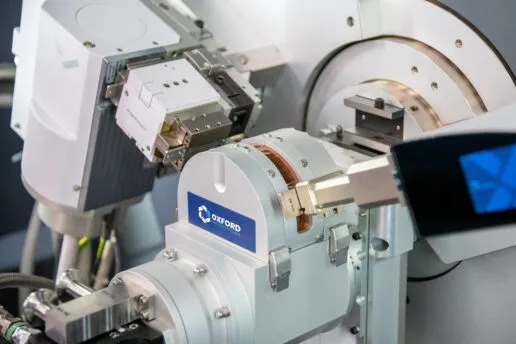
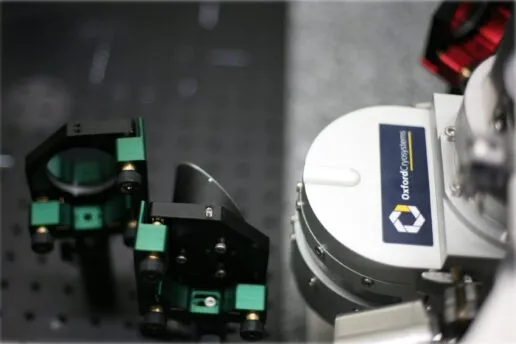
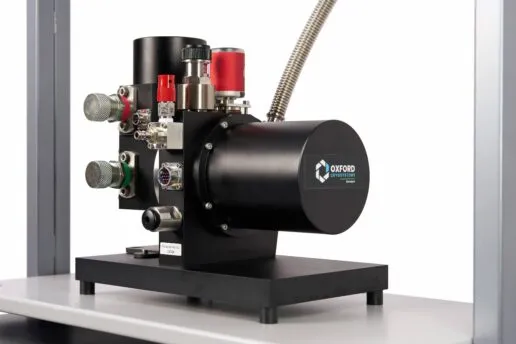
This growing involvement builds on our recent collaboration with the United Kingdom Atomic Energy Authority (UKAEA) and the University of Leeds, where a modified Phenix cryostat was used to investigate the feasibility of compact Quantum Cascade Lasers (QCLs) for fusion plasma diagnostics. The project explored how these highly efficient semiconductor lasers could provide continuous measurements of plasma density, an essential parameter for controlling future fusion power plants.
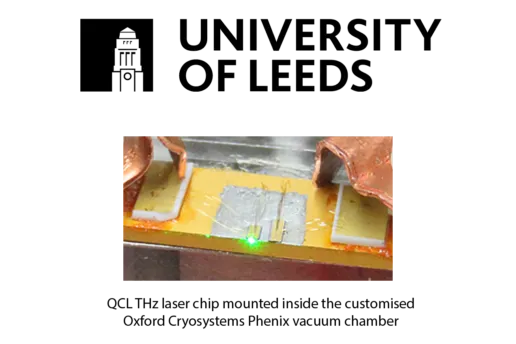
“QCLs have potential to be used in commercial fusion power plants, which will require a highly reliable sensor system for non-stop operations.”
For this collaboration, our engineering team adapted both the cryostat hardware and control software to meet the project’s specific experimental requirements, demonstrating how bespoke cryogenic solutions can help enable entirely new areas of scientific research.
The wider fusion sector presents many similar challenges. Researchers and technology developers frequently require highly stable, low-temperature environments to characterise new materials, evaluate sensors, test superconducting components or develop diagnostic systems capable of operating under extreme conditions. Delivering those environments often demands close collaboration between scientists and cryogenic engineers.
That collaborative approach has been part of Oxford Cryosystems for more than four decades. From supporting diffraction studies and advanced materials research to developing customised cryogenic systems for radio astronomy, neutron science and now fusion technology, our focus has always been on working alongside researchers to solve unique engineering challenges.
As the UK’s fusion supply chain continues to expand, we’re pleased to be recognised within The Fusion Cluster and to contribute alongside organisations working to transform fusion from scientific ambition into commercial reality.
We look forward to supporting the next generation of fusion research and the innovations that will help bring sustainable fusion energy closer to everyday life.